Héctor Aguilar
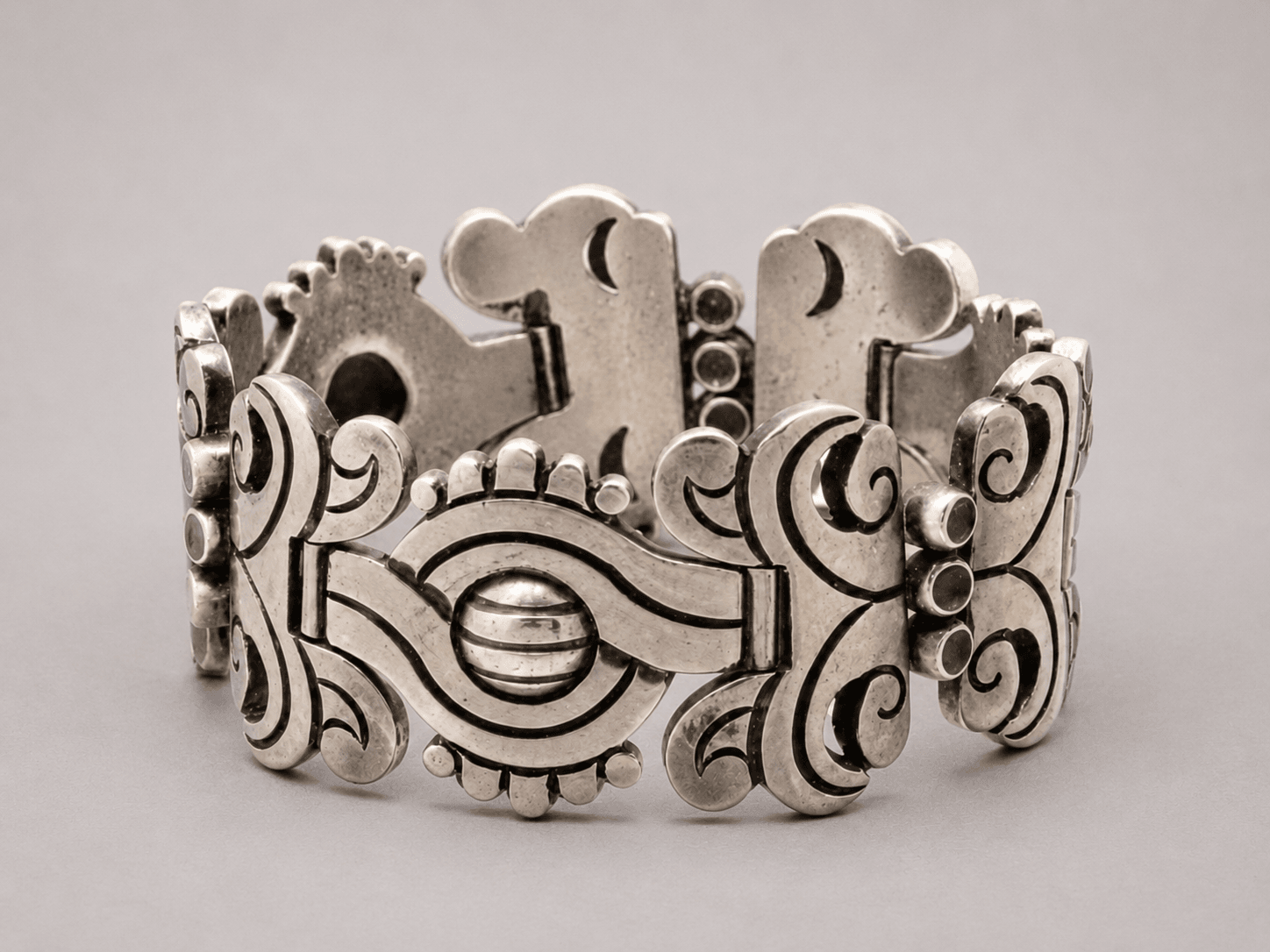
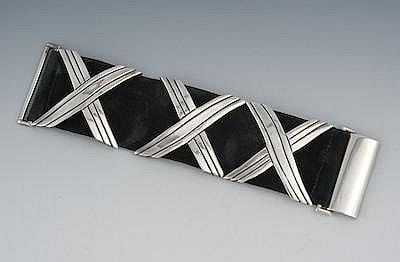
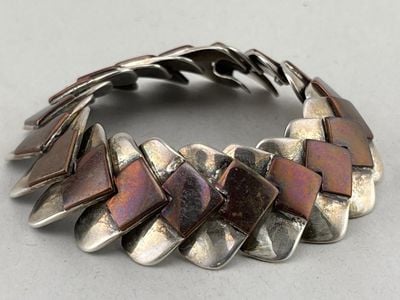
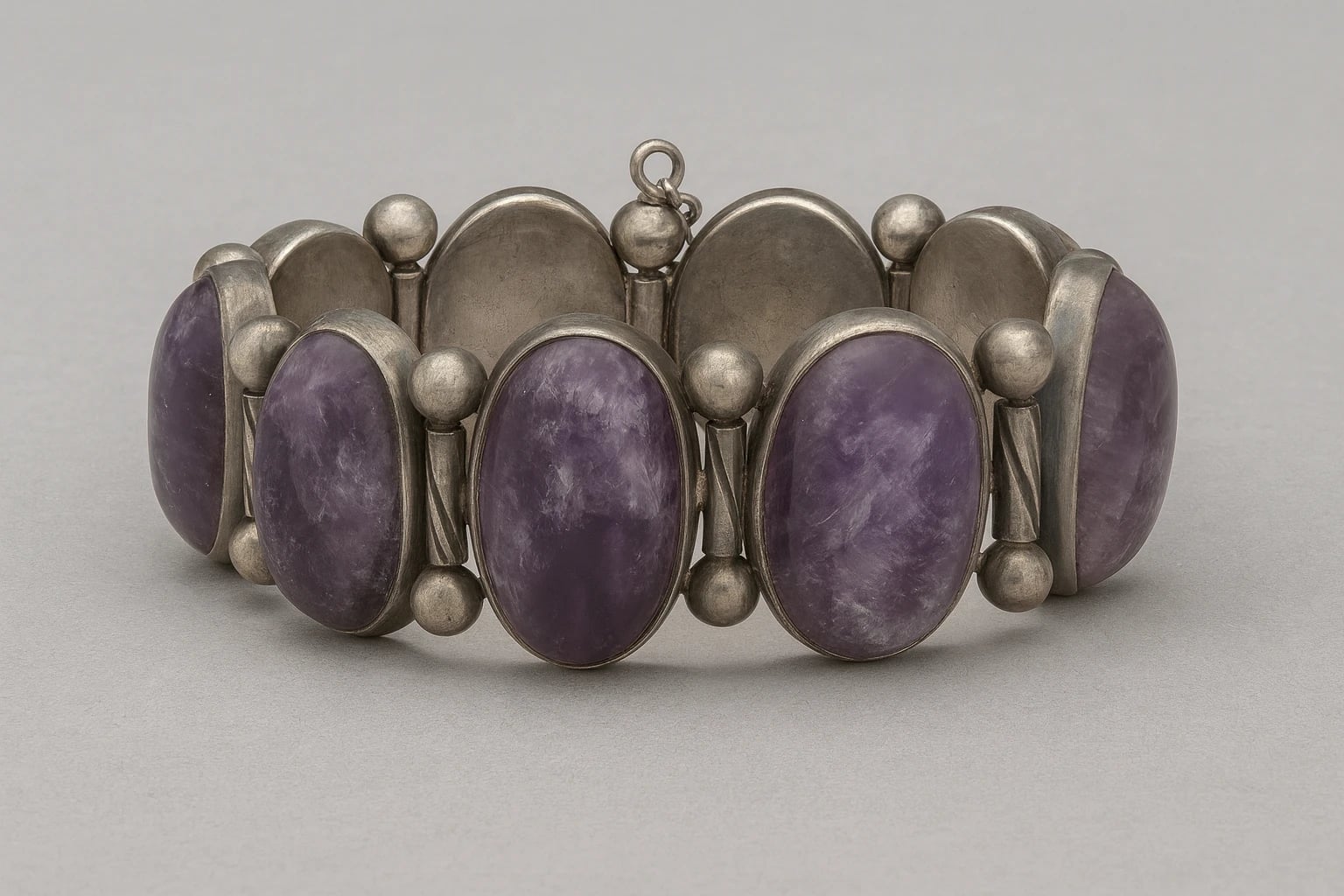
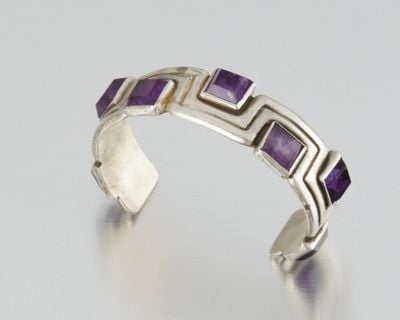
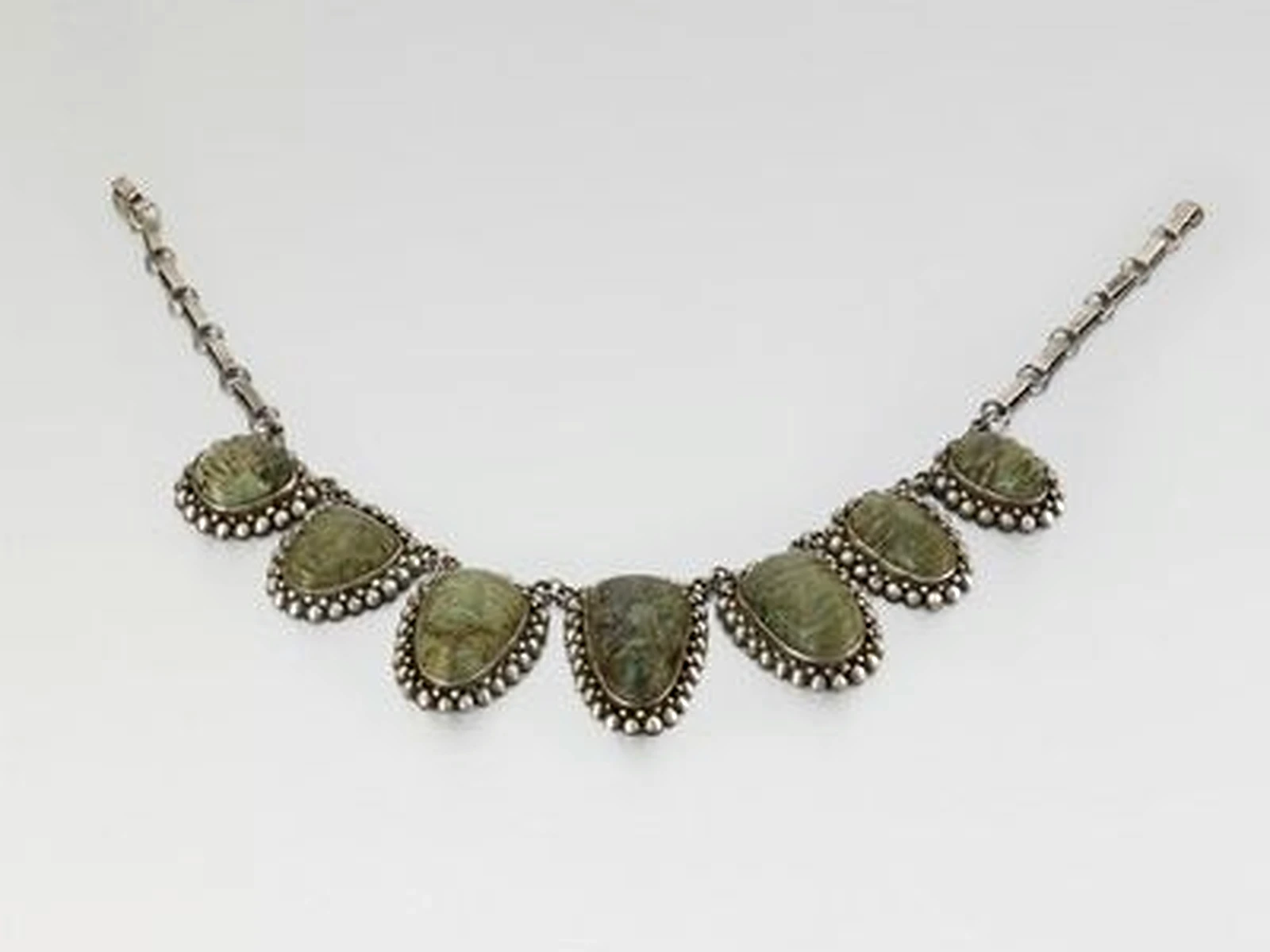
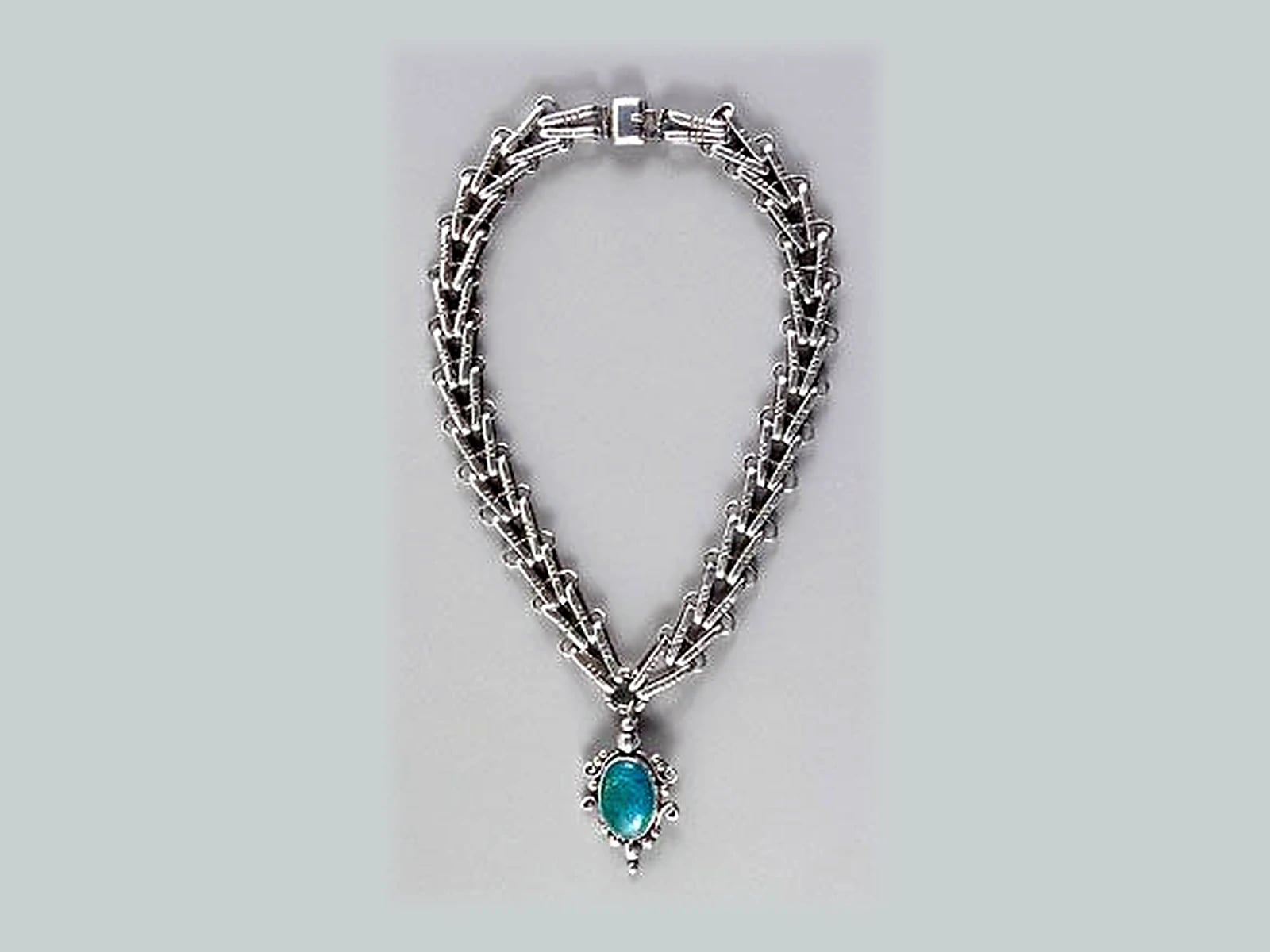
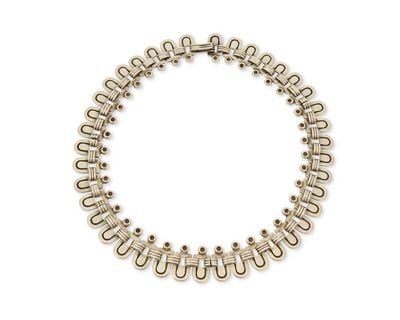
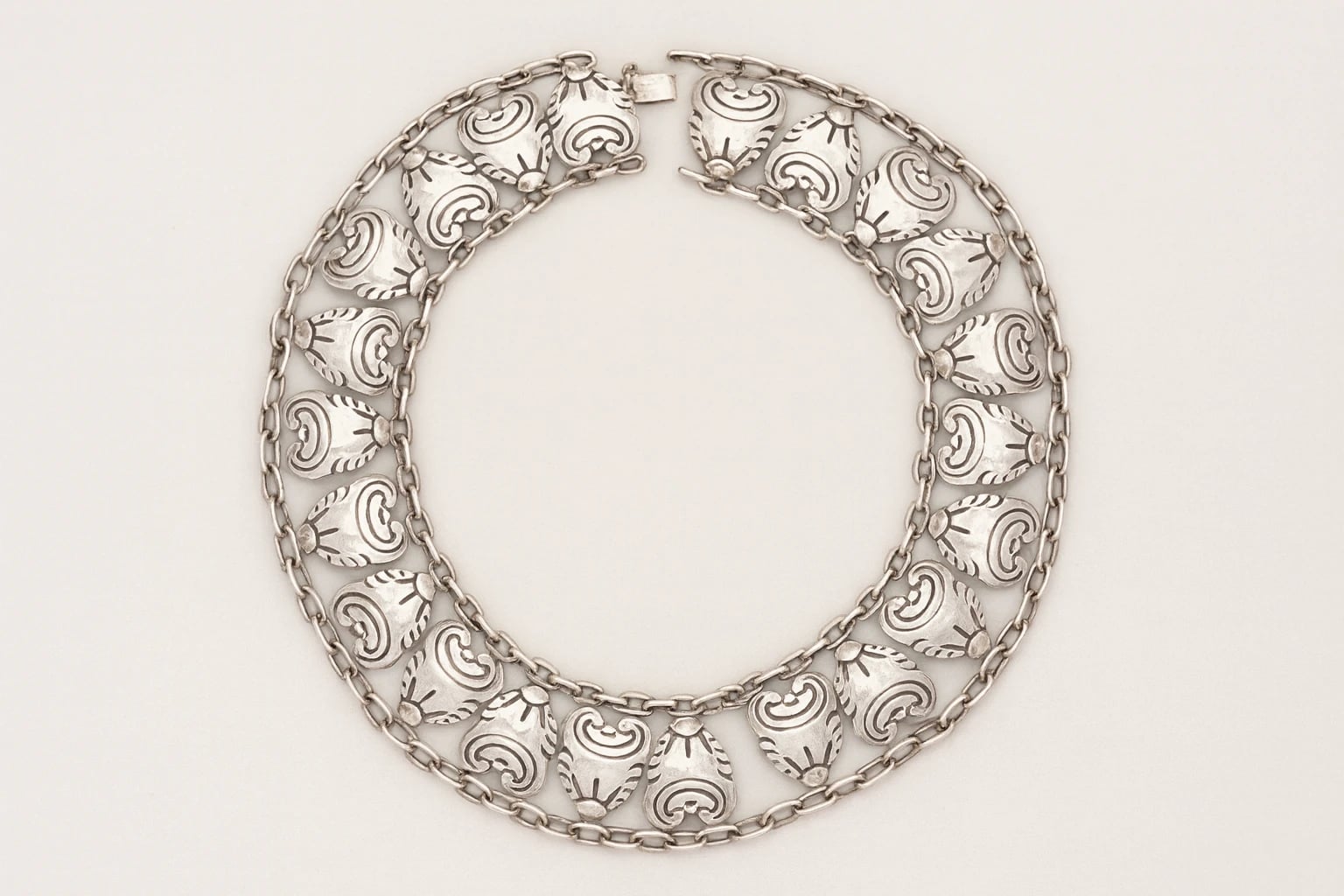
Héctor Aguilar was one of the central figures of Taxco's Silver Age and the founder of Taller Borda, one of the movement's great independent workshops. Born in 1905, he came to Taxco from Mexico City, managed William Spratling's Las Delicias, and left in 1939 to establish his own taller. Taller Borda became known for heavy jewelry, chased and repousse floral forms, Pre-Columbian ornament, flatware, and copper and brass objects, expanding during World War II to reportedly more than three hundred artisans.
Full biographyOpenClose
Héctor Aguilar was one of the central figures of Taxco’s Silver Age: a designer, entrepreneur, and founder of Taller Borda, one of the movement’s great independent workshops. Born in 1905, Aguilar came to Taxco from Mexico City and first worked as a guide, then as a manager in William Spratling’s Las Delicias. In 1939, he left to establish Taller Borda and became one of Spratling’s most important successors.
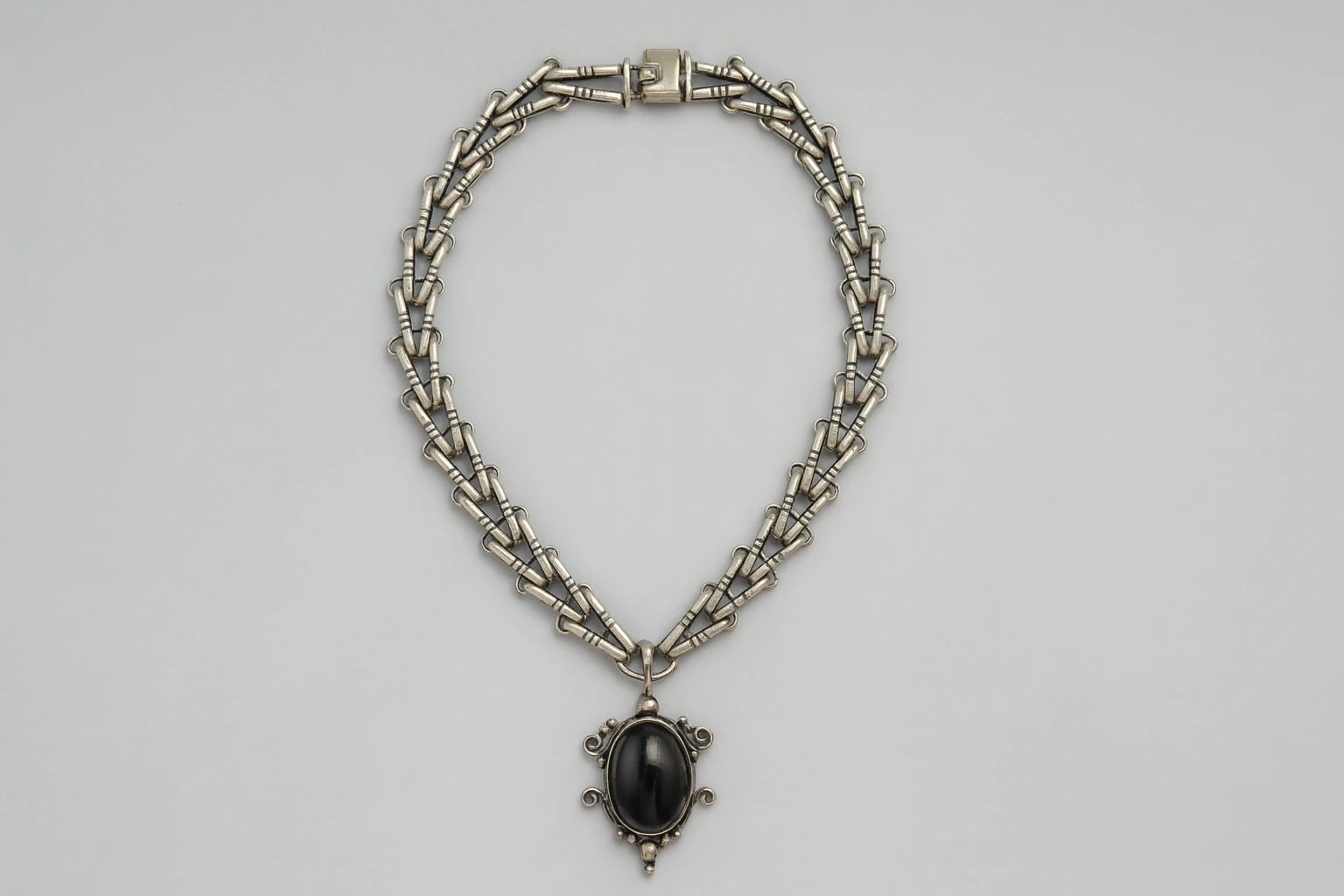
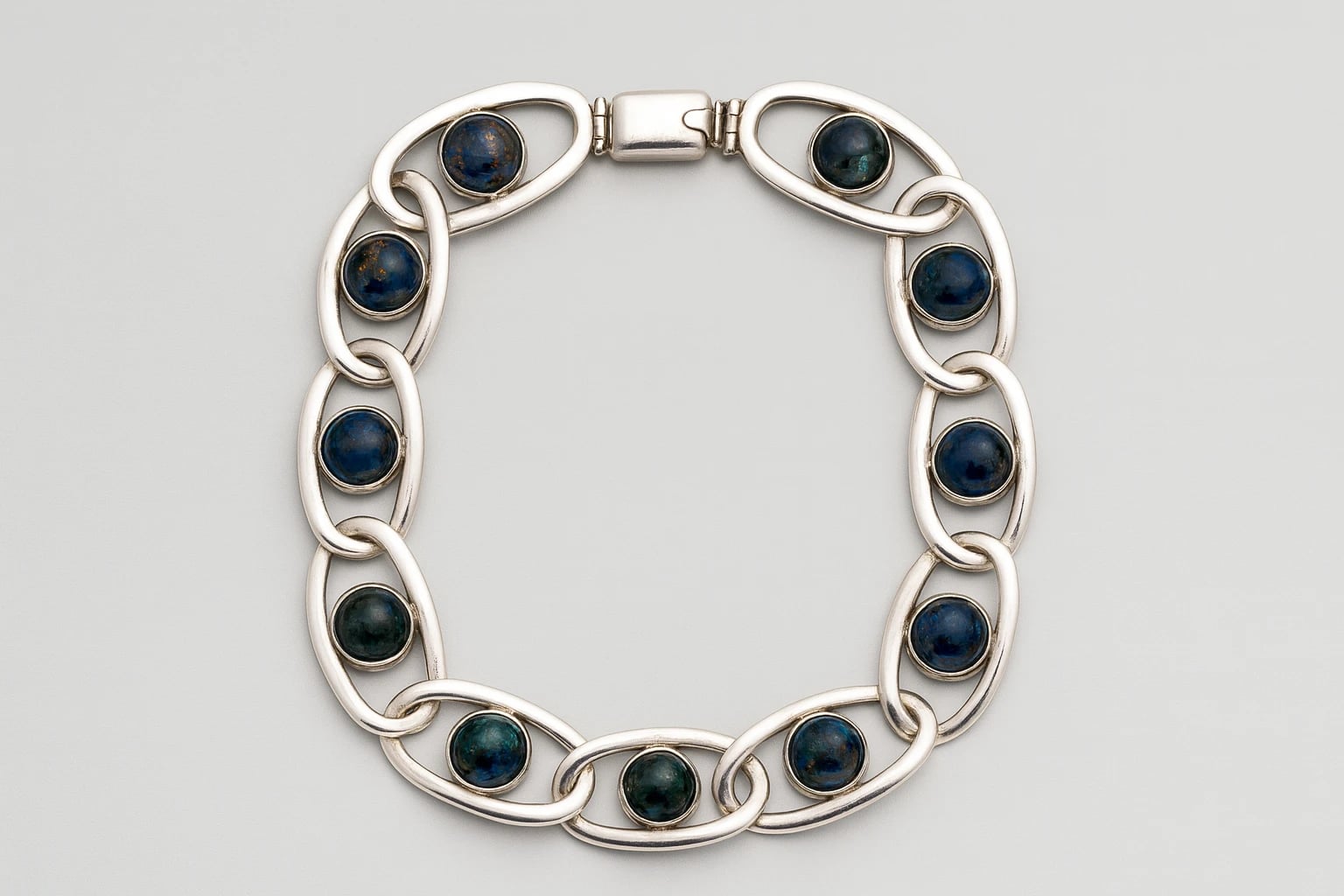
Aguilar absorbed the core lessons of Las Delicias - bold silver, handwrought production, workshop discipline, and Mexican historical vocabulary - but translated them into a more muscular and decorative style. Taller Borda became known for heavy jewelry, chased and repoussé floral forms, Pre-Columbian ornament, flatware, and copper-and-brass objects. His work often has a physical force distinct from the refinement of Pineda or the experimental elegance of Los Castillo.
During World War II, Taller Borda expanded dramatically, reportedly employing more than three hundred artisans and selling through major American retailers. Aguilar was therefore not just a maker of important objects; he helped build the Taxco system itself: a fusion of design ambition, skilled manual labor, export commerce, and Mexican identity. His best pieces remain among the clearest arguments that Taxco silver belongs within modern decorative arts, not merely jewelry collecting.
Your collection
92 cataloged works by Héctor Aguilar
Save pieces as you browse with the + on any photo. A free account keeps them on every device.
Featured pieces
View all 92→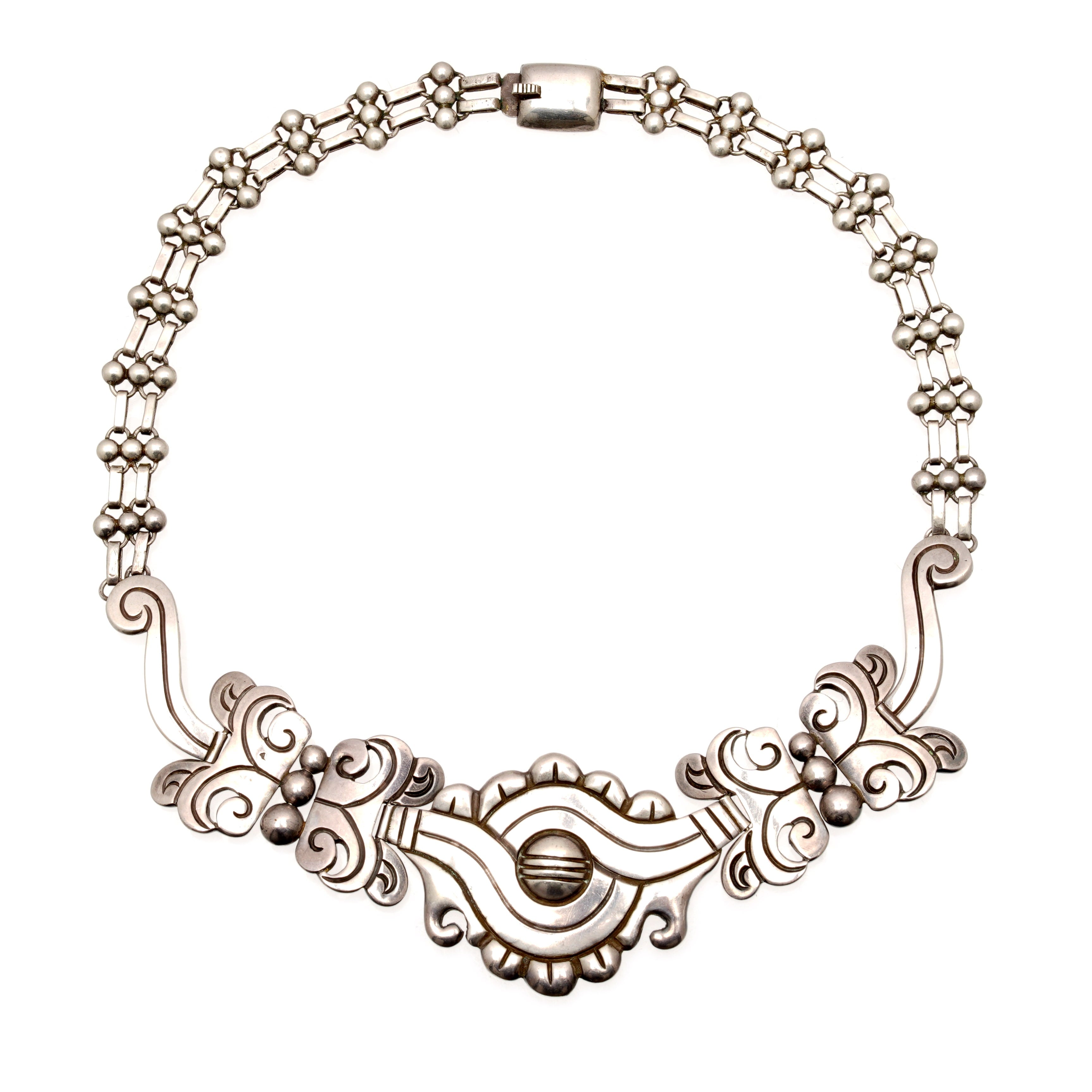
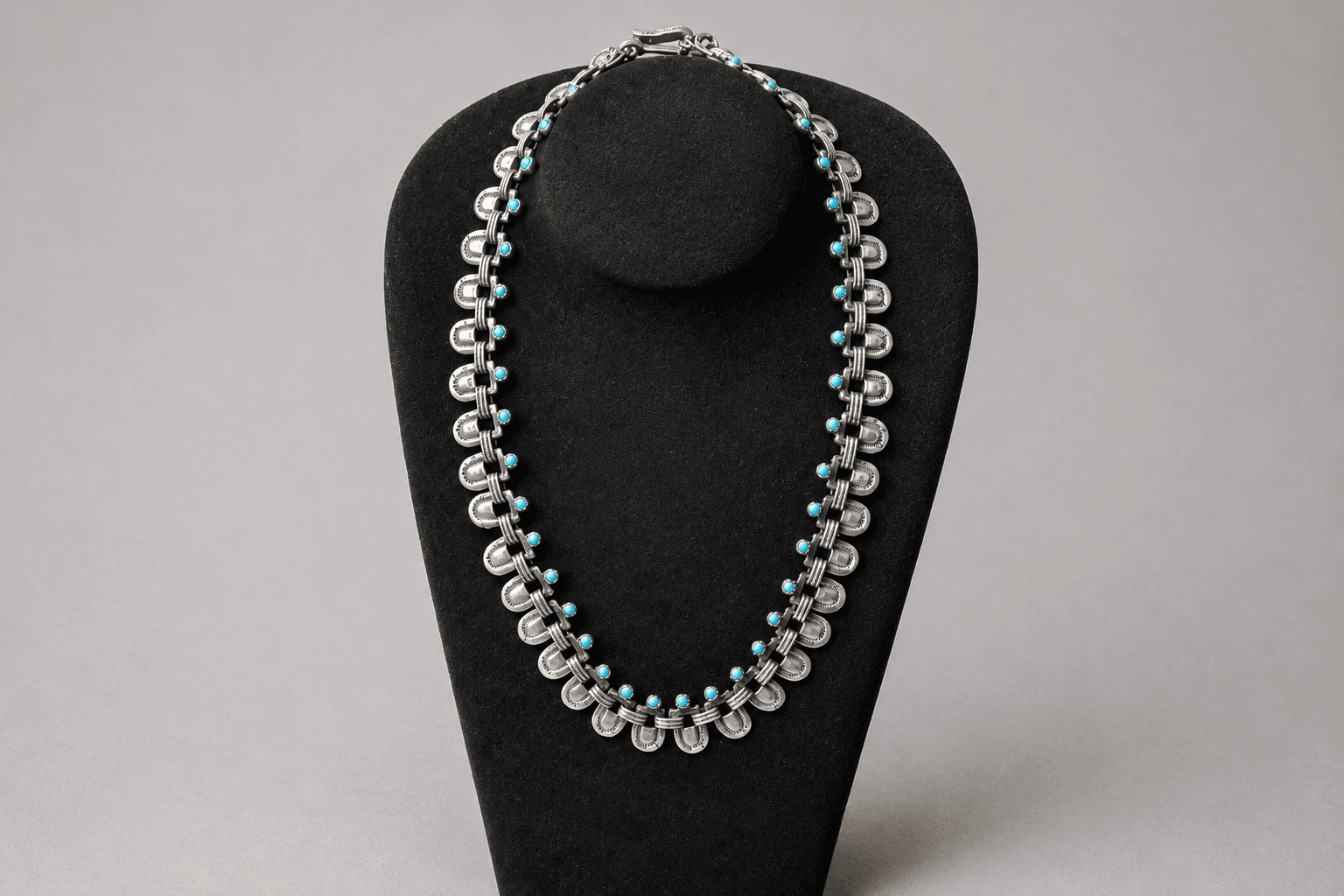
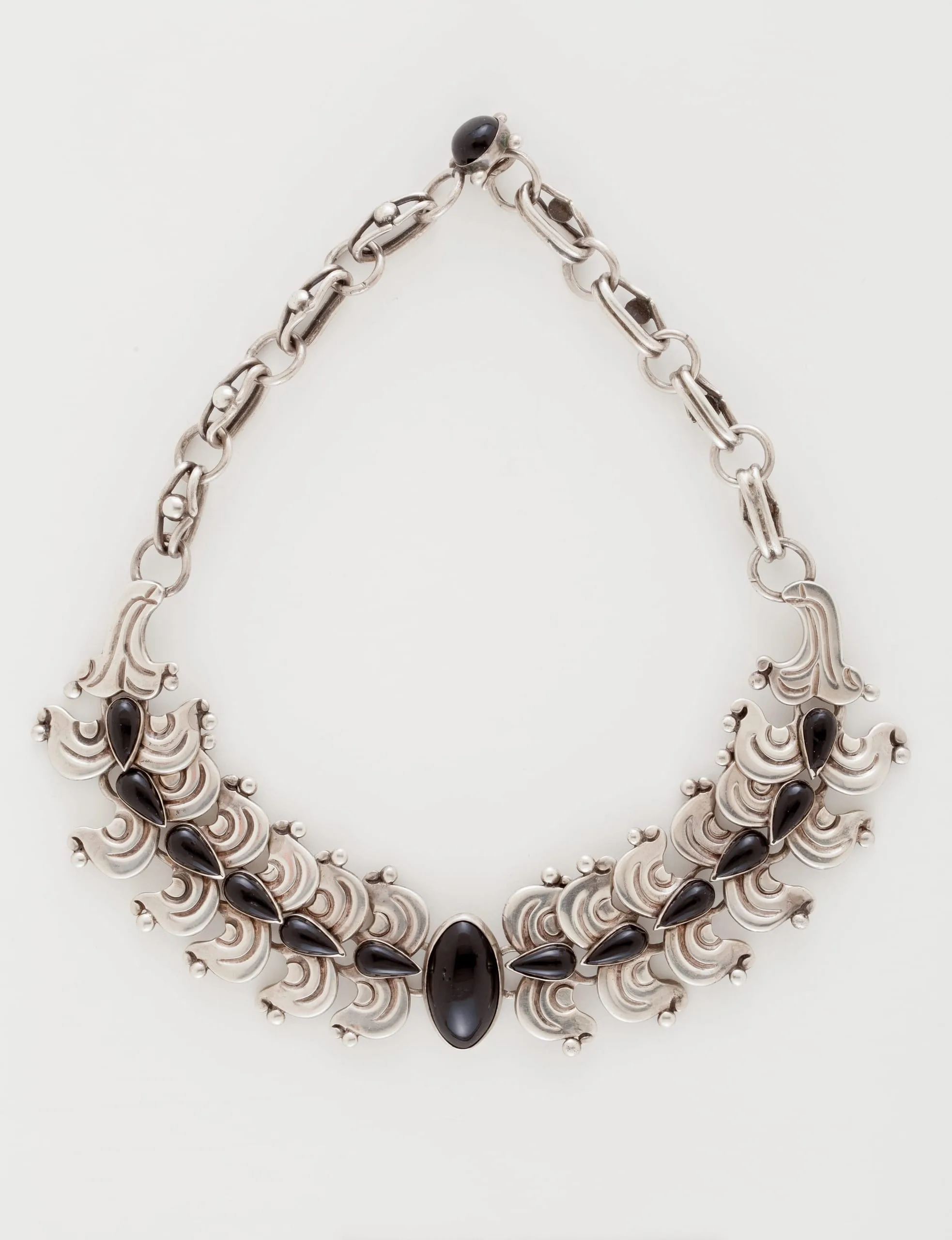
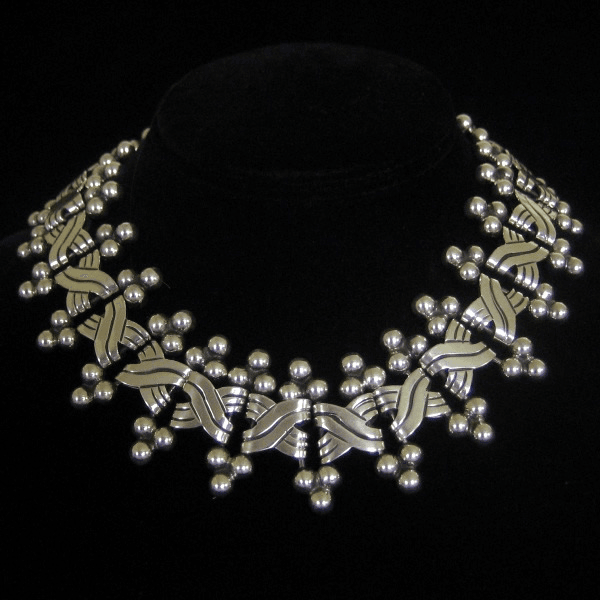
Collect Héctor Aguilar? Tap the corner of any piece to start your own collection page.
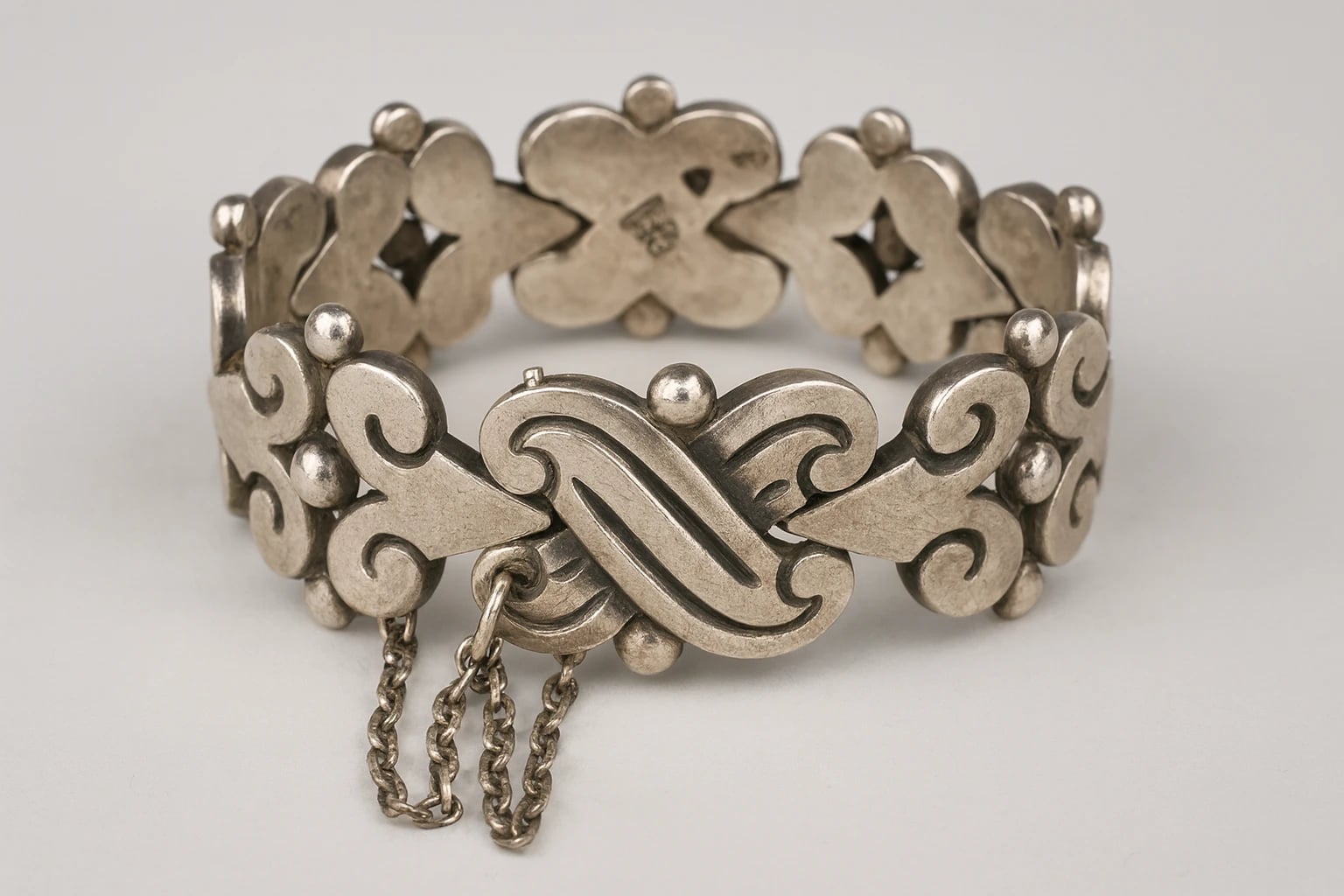
Quick facts
- Name
- Héctor Aguilar
- Born
- 1905
- Workshop
- Taller Borda, Taxco (founded 1939)
- Known for
- Heavy jewelry, chased and repousse floral forms, flatware, copper and brass objects
- Principal marks
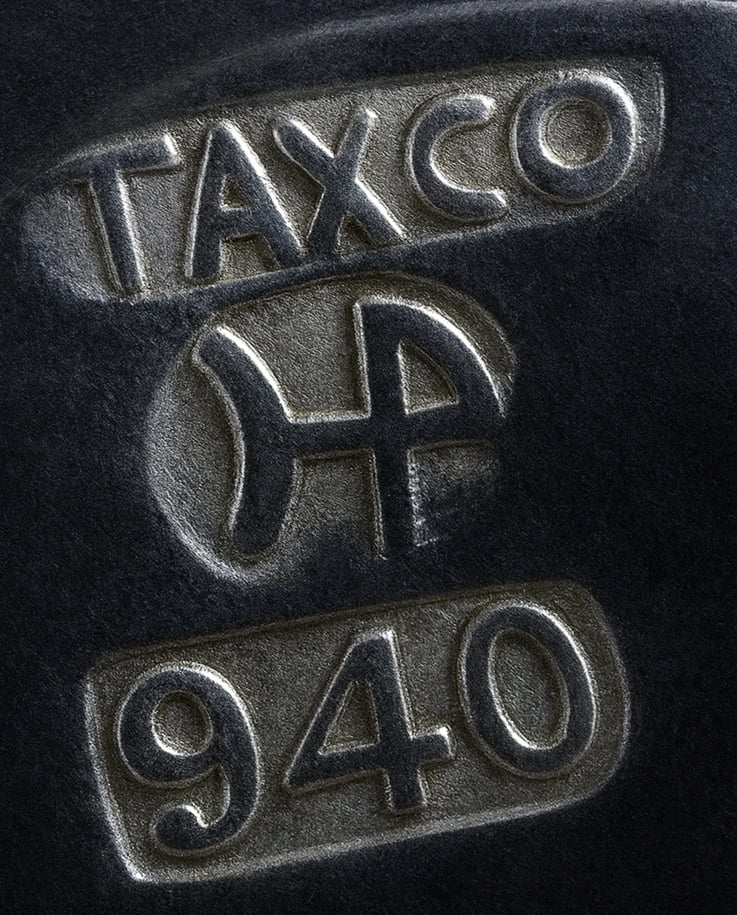
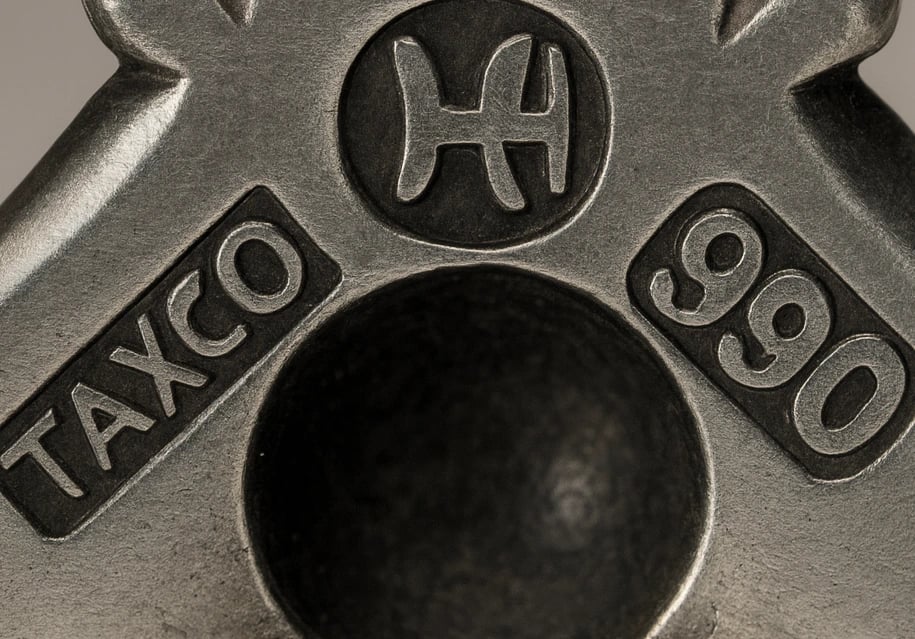
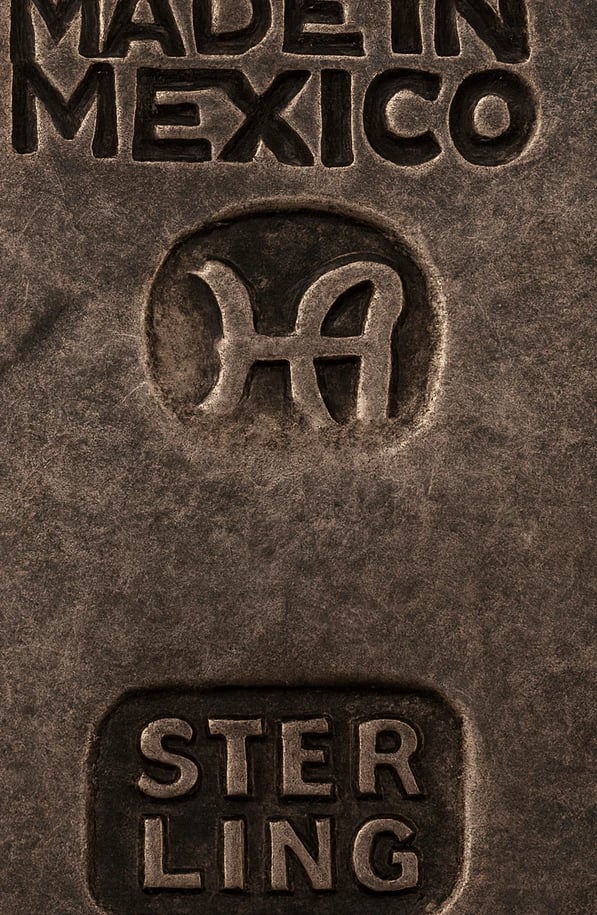
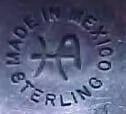
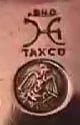
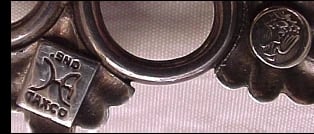
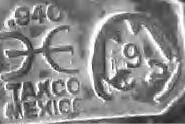
- HA with Taxco and 940 or 990 (1940-45); HA Made in Mexico Sterling, some with TB (1943-48); HA with eagle assay marks (from ca. 1948)
- Related makers
- William Spratling (managed Las Delicias before founding Taller Borda)
Museum collections
21 individually documented silver works by Héctor Aguilar in 5 public collections; institutions report 1 further works not yet indexed individually.
- Los Angeles County Museum of ArtLos Angeles, California
12 documented works, on view
- Art Institute of ChicagoChicago
3 documented works
- Cincinnati Art MuseumCincinnati, United States
3 documented works
- The Wolfsonian-FIUMiami Beach, United States
3 documented works
- Milwaukee Art MuseumMilwaukee, United States
1 further reported
Questions
How can you identify Héctor Aguilar silver?
By the HA monogram mark, usually with Taxco or Made in Mexico and a fineness mark: 940, 990, or Sterling. From about 1948 pieces also carry eagle assay marks. Some Taller Borda production is marked TB. The work tends to be heavy and muscular, with chased and repousse floral or Pre-Columbian ornament.
What does 940 mean on Aguilar silver?
It is the silver fineness: 940 parts per thousand, higher than sterling's 925. Aguilar's marks show 940 and 990 fineness in the early Taller Borda years alongside Sterling-marked production.
What was Taller Borda?
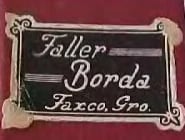
The workshop Aguilar founded in Taxco in 1939 after managing Spratling's Las Delicias. During World War II it expanded dramatically, reportedly employing more than three hundred artisans and selling through major American retailers.
How is Aguilar connected to William Spratling?
Aguilar first worked as a guide, then as a manager at Spratling's Las Delicias, before leaving in 1939 to found Taller Borda. He is considered one of Spratling's most important successors.
Further Reading
Dispatch · April 27, 2026
The Value of Collecting the Taxco Golden Age
Taxco silver has beauty, history, scarcity, and market inefficiency in the same place. The auction record across 1,156 weighable Golden Age lots, with each lot's melt value computed at the silver spot in effect on the day it sold, shows the spread: a typical Spratling or Pineda piece clears at roughly ten times its silver weight, the best examples clear sixty to a hundred times, and the same makers' hollowware regularly sells below melt at the wrong auction. The drift between the metal floor and the recognition ceiling is the entire opportunity.
Discovery · April 21, 2026
The Aguilar 990 belt that isn't in the Morrill book
A rare variant of Héctor Aguilar's iconic Georgia O'Keeffe-style concho belt carries a 990 stamp where every other surviving example reads 940. What the 990 actually means is an open question, but the auction record already recognizes it as something different.
Market Trends
Total Sales
932
Total Volume
$902k
Peak Year
2022 · $125k
Trend
+11% / yr
Total auction volume by year.
Mark Chronology
Taxco · HA · 940
HA · Taxco · 990
Made in Mexico · HA · Sterling
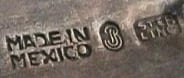
Made in Mexico · TB · Sterling
Made in Mexico · HA · Sterling · TB
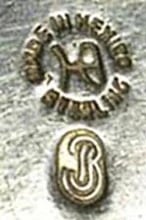
HA · Made in Mexico · Sterling
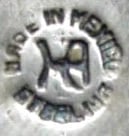
HA · Made in Mexico · Sterling
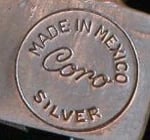
Made in Mexico · Coro · Silver
940 · Taxco · HA · Eagle 1
Taxco · HA · Sterling · Eagle 9
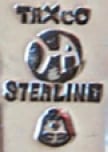
Taxco · Sterling · HA · Eagle 9
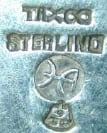
940 · HA · Taxco · Eagle 3
.940 · HA · Taxco Mexico · Eagle 9
Sterling · HA · Taxco · Taller Borda · Eagle 9
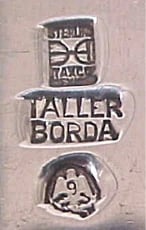
.940 · HA · Taxco · Eagle 9
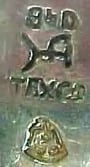
Taxco · HA · 940 · Eagle 9
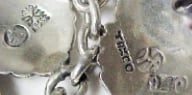
HA · Taxco · Taller Borda
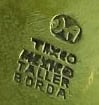
HA · Taxco · Mexico
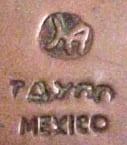
Taxco · HA
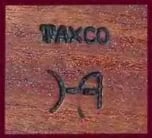
Taller Borda · Taxco. Gro.
940 · HA · Taxco
Taxco · HA · Sterling · Eagle 9
HA (mark on brass)
HA · 994 (mark on copper)
Hallmark Gallery
Work Examples